Marine pest survey 2025 report released
The Marine pest survey 2025 report covering East Arm Wharf, Fort Hill Wharf, Stokes Hill Wharf and HMAS Coonawarra has been released by the Department of Agriculture and Fisheries (DAF).
The department’s Aquatic Biosecurity unit was established in 1999 following the detection of the black‑striped false mussel (Mytilopsis sallei) in 3 Darwin marinas. This tiny pest had the potential to envelop infrastructure, clog vessel seawater systems, displace native species and potentially cost the Australian economy hundreds of millions of dollars. Fortunately, the incursion was successfully eradicated – one of the very few successful marine pest eradications worldwide.
Darwin’s close proximity to Southeast Asia, a region known for having several marine biofouling species that pose a biosecurity risk to Australia, means there is an ongoing risk of introduction. With a large number of international vessels transiting through our waters, there is a risk of marine pests being introduced externally via vessel hulls or internally through seawater systems.
Introduced marine pests pose a significant risk to Northern Territory aquatic environments. They compete with native species for food, shelter and habitat, and can introduce exotic diseases that impact the health and biodiversity of aquatic communities.
To manage this risk, the Aquatic Biosecurity unit conducts regular monitoring and inspections of marine fouling communities along the NT coastline. Monitoring targets areas of high international boating activity to enable early detection of marine pests.
Settlement devices are deployed at Darwin’s 4 marinas – Cullen Bay Marina, Bayview Marina, Tipperary Waters Marina and Frances Bay Mooring Basin – as well as Cullen Bay Pontoon, East Arm Wharf, Fort Hill Wharf and HMAS Coonawarra. Additional monitoring at Melville Island, Gove, Bladin Point and Wickham Point also occurs in collaboration with external stakeholders.
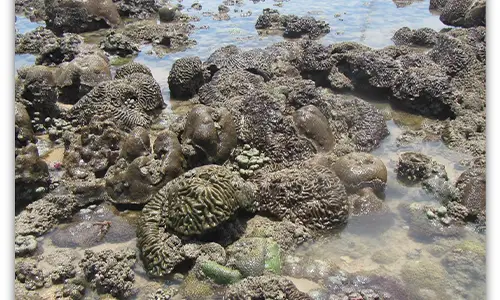
An annual intertidal survey is also conducted during the lowest tides of the year at East Arm Wharf, Fort Hill Wharf, Stokes Hill Wharf, the newly constructed wharf at HMAS Coonawarra, and the exposed Catalina and South Shell islands. The most recent survey was undertaken in October 2025. The 2025 report confirms that no new introduced marine pest species were detected.
DAF acknowledges the support of Darwin Port and the Darwin Waterfront Corporation for facilitating vessel access to Fort Hill, East Arm and Stokes Hill wharves. We also thank the Royal Australian Navy for access to the new HMAS Coonawarra wharf, and curator emeritus of molluscs Richard Willan from the Museum and Art Gallery of the Northern Territory for providing marine organism identifications.
Go to the Darwin Harbour marine pest annual reports at NT.GOV.AU website.