Investigating unusual bat sickness and mortality in the Northern Territory
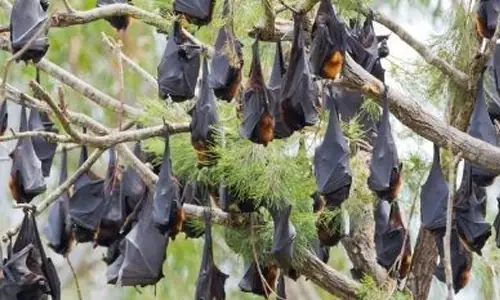
In late March 2026, reports emerged of thousands of juvenile black flying foxes (bats) (Pteropus alecto) found dead or dying across the Top End and Big Rivers region. In response, the Livestock Biosecurity team initiated and coordinated an investigation to determine the cause of this significant wildlife disease and mortality event.
Livestock Biosecurity staff collected bat specimens from multiple locations across the Northern Territory, with valuable support from Parks and Wildlife colleagues, as well as wildlife carers and veterinarians. The specimens were submitted to the Berrimah Veterinary Laboratory (BVL) for full post-mortem examination.
Laboratory testing confirmed that all bats were negative for Australian Bat Lyssavirus (ABLV), a rabies-like virus occasionally present in Australian bats. Post-mortem findings consistently indicated starvation and severe emaciation in affected animals.
The reports of sick and dead bats coincided with the passage of ex-Tropical Cyclone Narelle, which brought heavy rainfall and strong winds, followed by a period of hot weather. Such environmental conditions can place considerable stress on wildlife populations, particularly vulnerable juveniles.
Based on the context and findings, the mortality event was most likely linked to the abandonment of juvenile bats during the period of extreme weather, leaving them unable to feed or survive independently. The severe conditions likely reduced the availability of food resources for flying foxes and placed significant physiological stress on colonies. Flying foxes are also known to be particularly susceptible to heat stress, with females and juveniles being the most vulnerable. Under high-stress conditions, adult females may abandon their young, leading to increased mortality of juveniles.
This event highlights the significant impact that severe weather can have on wildlife and reinforces the importance of rapid investigation to rule out infectious disease threats.
More information on ABLV go to the Northern Territory Government website
More information on heat events and Australian flying foxes go to Wildlifehealth Australia website.