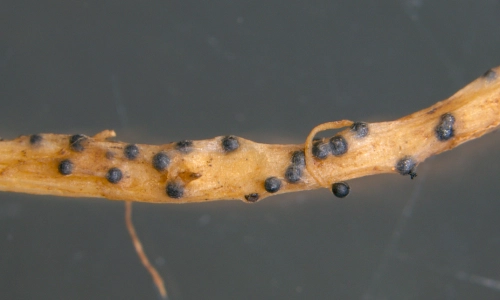
Detection of Monosporascus cannonballus in the NT
The exotic plant pest Monosporascus cannonballus, commonly known as ‘Monosporascus root rot’ or ‘Monosporascus root rot and vine decline’, has been confirmed at 2 locations in the Northern Territory.
At the first location, Monosporascus root rot was detected in whole cucumber plants, whilst at the second location it was detected in honeydew and rockmelon vines.
This is the first detection of Monosporascus root rot in Australia. Monosporascus root rot is a disease-causing fungus that infects the roots of most cucurbits (cucurbits include fruit and vegetables such as cucumbers, pumpkins, squash, melons and gourds).
The best way for producers to protect their property from this disease is to check their crops regularly for the presence of unhealthy plants or unusual symptoms and ensure that all visitors and staff adhere to on-farm biosecurity and hygiene practices.
The disease does not affect the fruit and is not a concern for consumers.
Early detection and reporting
Always report any suspect pest or disease to your state or territory department of agriculture or primary industries by calling the Emergency Plant Pest Hotline on 1800 084 881 from anywhere in Australia.
Early detection and reporting are your industry’s best chance of containing and eradicating damaging pests and diseases.