Could Central Australia become Australia’s next almond-growing region?
Australia is the world’s second-largest almond producer after the United States, with almonds ranking among the nation’s most valuable horticultural export products. However, much of the industry is concentrated in Victoria, South Australia and New South Wales.
Since 2017, the Northern Territory Department of Agriculture and Fisheries has been investigating whether almonds can be a sustainable agri-enterprise in the central regions’ arid conditions.
To explore this opportunity, almond trees representing 3 self-pollinated varieties, Mira, Capella and Carina, were planted at Arid Zone Research Institute.
After years of monitoring tree survival, chilling response and flowering behaviour, the trial is entering an exciting new phase.
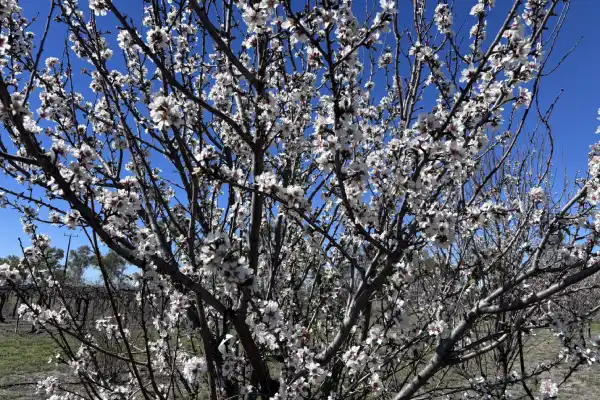
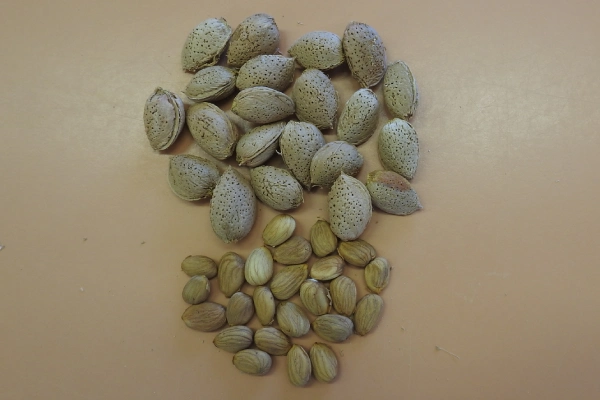
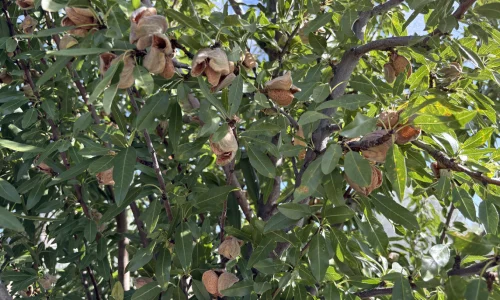
This season, all 3 varieties have shown improved flowering, providing the opportunity to compare their performance. While Carina was the only variety to produce fruit last season, both Carina and Capella are carrying promising crops this year. Mira has also flowered but is currently showing lower fruit set than the other 2 varieties.
One of the interesting findings so far is the potential for an earlier harvest window compared with most traditional almond-growing regions of Australia.
Researchers will continue monitoring flowering, fruit set and productivity through 2030 to identify the almond varieties best suited to Central Australia and their potential as a future high-value crop for the region.