Behind the scenes of fruit fly surveillance in the Northern Territory
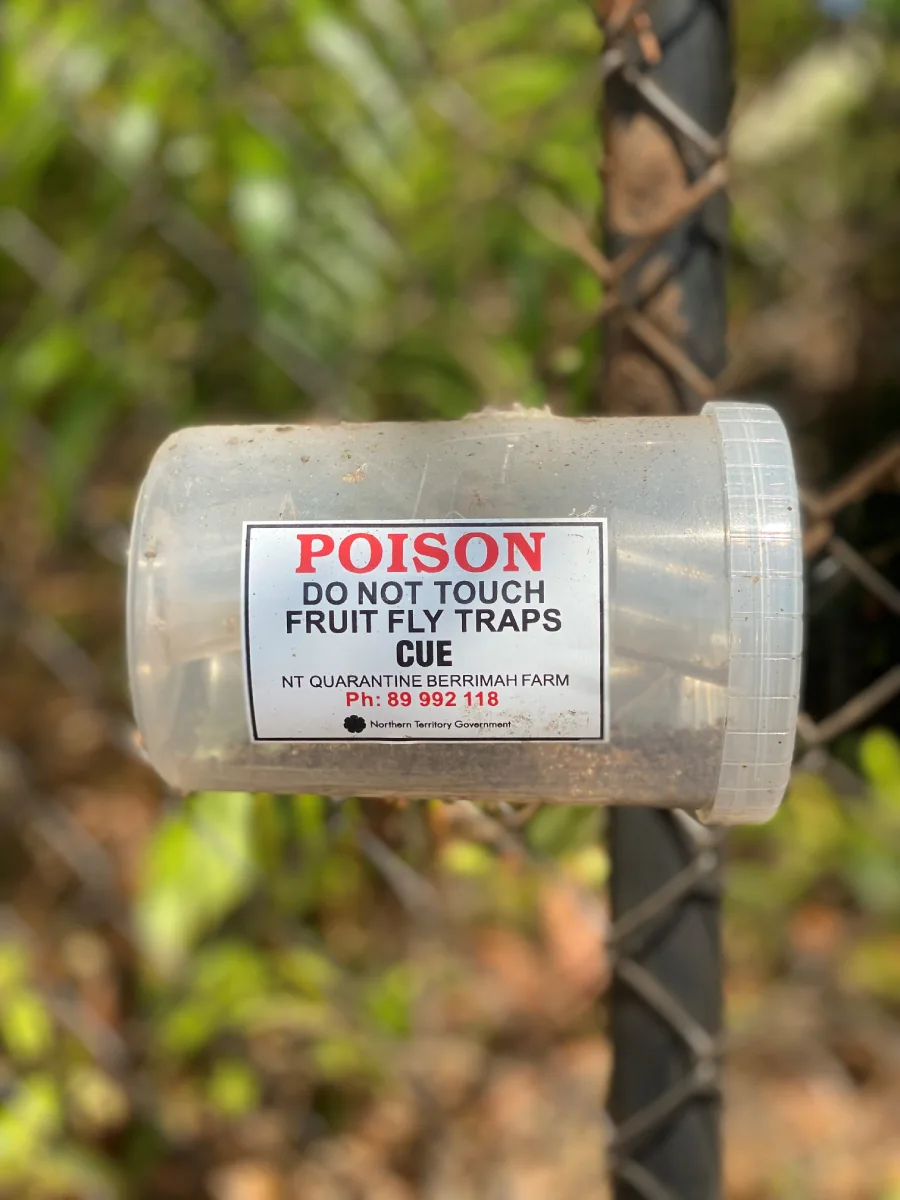
Fruit fly surveillance is one of the most important activities undertaken by the Department of Agriculture and Fisheries' Plant Biosecurity team, helping to protect Northern Territory horticultural industries and maintain valuable interstate market access for growers.
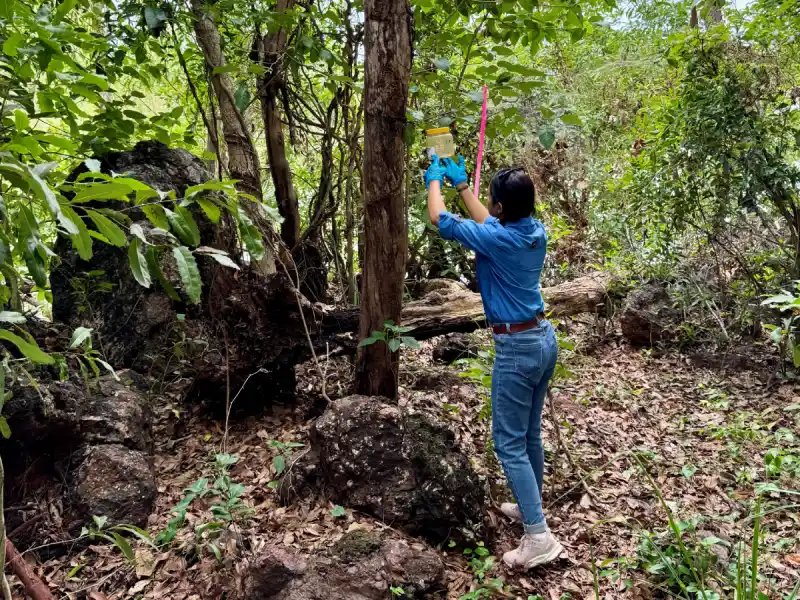
Across the Territory, Plant Biosecurity Officers work year-round monitoring for fruit flies and other potential biosecurity threats. Their work takes them from urban centres to some of the most remote parts of the Northern Territory, covering vast distances to ensure our surveillance network remains effective.
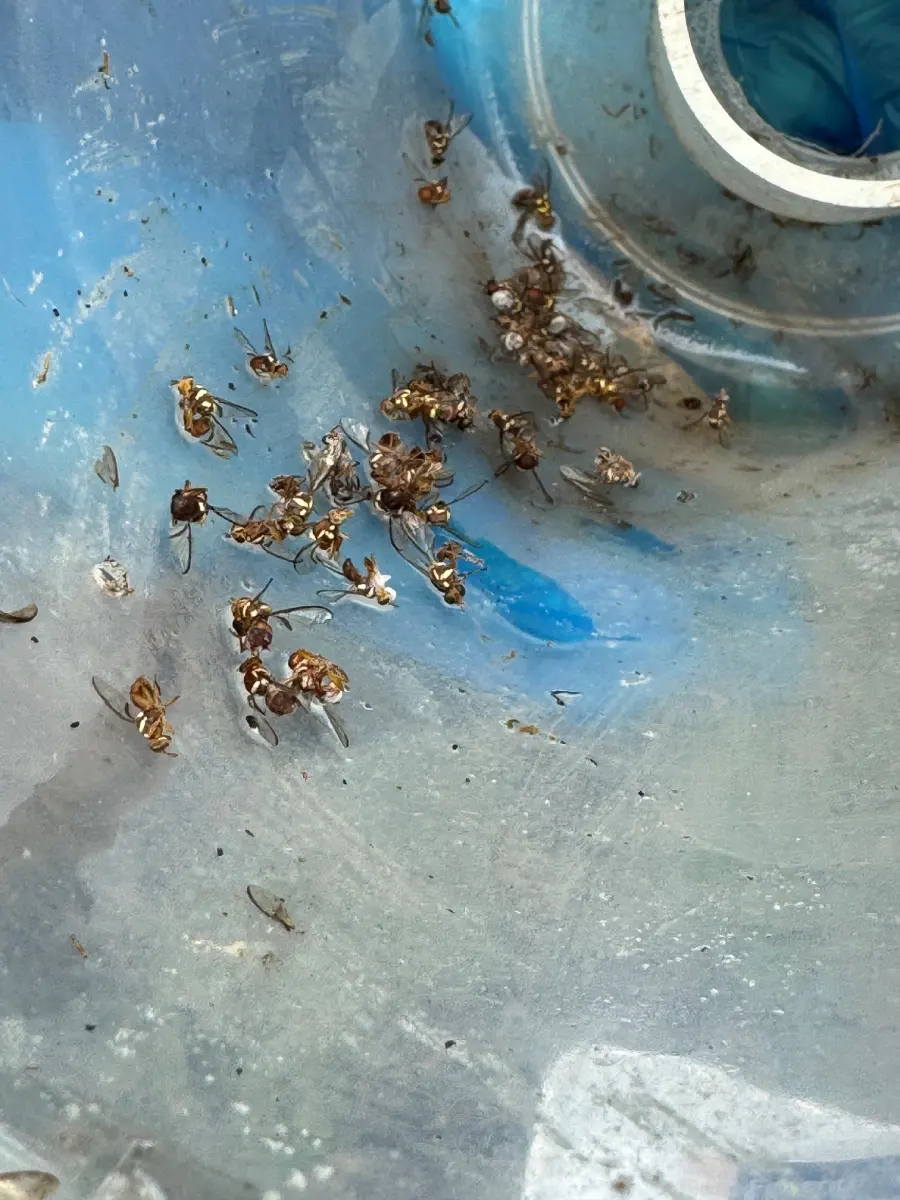
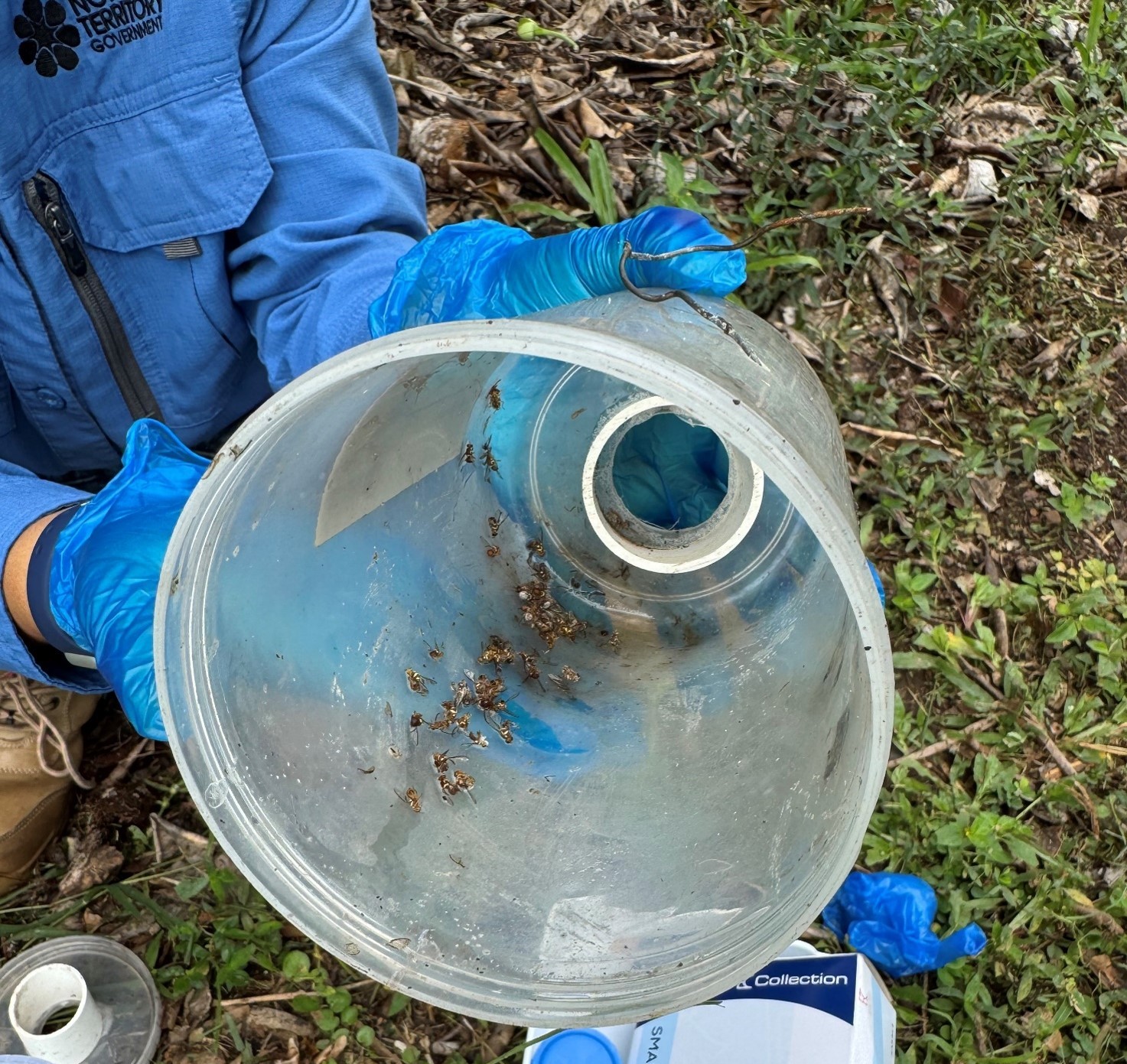
Each year, officers travel approximately 76,000 kilometres and inspect around 5,000 fruit fly traps located across key surveillance areas. Every fruit fly collected is carefully examined and identified under a microscope, with officers identifying an estimated 650,000 fruit flies annually.
While many fruit fly species are naturally present in the Northern Territory, surveillance plays a critical role in detecting any exotic species that may enter the region. Early detection provides the best chance of containing and eradicating an incursion before it can become established and threaten local production.
A key focus of the program is protecting the Territory's recognised fruit fly-free areas. Ti Tree is one such region, with its fruit fly-free status delivering significant benefits for growers through improved market access opportunities. Maintaining this status requires a significant surveillance effort, including trap runs covering more than 900 kilometres in a single day.
The surveillance network extends across a number of strategic locations, including:
- Greater Darwin
- Katherine to Mataranka
- Alice Springs to Erldunda
- Alice Springs to Ali Curung.
This extensive monitoring network helps ensure the Territory remains well-positioned to detect and respond to potential fruit fly threats.
How the community can help
Biosecurity is everyone's responsibility and the community plays an important role in protecting the Territory.
If you are travelling to the Northern Territory, please do not bring home-grown fruit and vegetables from interstate. Produce purchased from major supermarkets is permitted because it has undergone treatment processes; however, disposing of any leftovers in a sealed bag before placing them in the bin provides an extra layer of protection.
By working together, we can help safeguard the Northern Territory from exotic pests and diseases, protect our agricultural industries and support growers to access markets across Australia.
For more information about fruit fly surveillance and plant biosecurity, go to the Northern Territory Government website.