Animal melioidosis in the NT
Melioidosis is a serious endemic disease of animals that occurs in tropical Australia mainly in the wet season.
Melioidosis is a disease caused by infection with the bacterium Burkholderia pseudomallei. The disease is endemic in SE Asia and Northern Australia, with the Greater Darwin region being the area in Australia where the disease is most common.
The bacterium can cause serious disease in both animals and humans, but is not considered a zoonosis (disease that is transmitted from animals to humans), but rather, both animals and humans become infected by exposure to soil. B. pseudomallei requires moisture to survive, and in the dry season is located deep in soil. Exposure to the bacterium, and thus potential for disease occurs mainly in the wet season in animals that are present in muddy conditions, have access to standing water or are outside in wet, windy weather.
Infection may occur through skin wounds, inhalation or ingestion. The bacteria can then gain access to the bloodstream from the primary site of infection to result in a wide variety of lesions and clinical signs. There are significant animal species differences in susceptibility to infection.
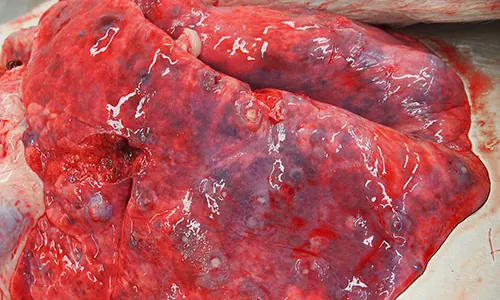
Among farm animals in the NT, goats are the most susceptible, with the disease being rare in cattle and horses. In goats, abscesses in the liver or spleen are common, along with pneumonia, joint infection, infection of the bone of the lumbar vertebra or the brain. Dogs and cats are considered moderately susceptible to infection. In dogs, skin infections and fever are relatively common presentations while in cats, respiratory infection and occasionally severe eye infections are notable. In both dogs and cats, the disease may present as primarily nervous signs, which carry a very poor prognosis.
Infection is diagnosed by culture of infected tissue or exudate. Successful treatment requires intense, long-term antibiotic administration (weeks to months). Melioidosis in animals is notifiable in the NT.