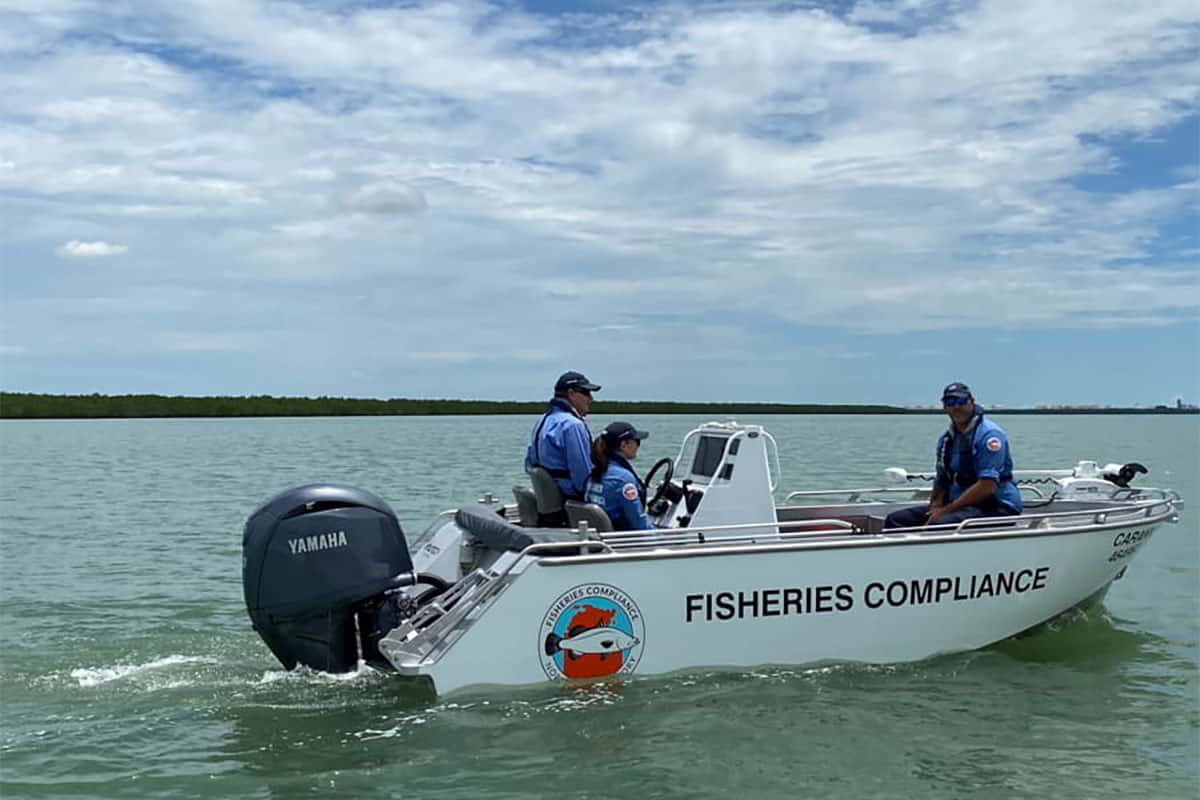
Illegal fishing in Charles Point reef fish protection area
The Northern Territory Government’s Fisheries Compliance Unit is continuing to protect the Territory’s aquatic resources.
On 26 June 2025, 2 men appeared in Darwin Local Court and pleaded guilty to a number of offences under the Northern Territory Fisheries Act.
Senior Executive Director of Fisheries Matt Osborne said fisheries officers observed the 2 men fishing in the Charles Point reef fish protection area during a routine on-water patrol in June 2024.
“A search of the vessel was undertaken, and the officers found and seized all 19 fish onboard, including 9 golden snapper.” Mr Osborne said.
The man in charge of the vessel, pleaded guilty and was convicted of 3 different charges relating to recreational fishing in a reef fish protection area, and possession of more than the commercial quantity of golden snapper, He was fined a total of $1,500 and required to pay a $450 victims levy. The other man pleaded guilty to one charge relating to recreational fishing in a reef fish protection area and was fined $1,500 and required to pay a $150 victims levy.
Penalties for offences inside reef fish protection areas can include fines of up to $31,450 and offences relating to exceeding commercial quantities of any priority species (golden snapper and black jewfish) can incur penalties of up to 2 years in prison or fines up to $74,000.
The exact positions and the restrictions that apply to reef fish protection areas are provided on signs at Darwin boat ramps, with information also widely available online and in tackle shops.
Mr Osborne said there are 5 different reef fish protection areas around the Greater Darwin region which have been in place since 2015 to protect vulnerable reef fish stocks from overfishing and safeguard aggregation sites and spawning grounds.
“They’ve been in place for over 10 years and there is no excuse for not knowing where the reef fish protection areas are or the penalties you could face if you are found to be fishing in them.”
“The reef fish protection areas and fishing regulations in general are critical to ensure that our fishing and lifestyle is protected now and for future generations. The consequences are significant, so all fishers need to be fully aware of the Territory fishing rules before they go fishing.” he added.
In addition to penalties imposed by the courts, fisheries officers have powers to seize fish, fishing equipment, vehicles and vessels and can apply to the court to have seized items forfeited to the Territory.
The Fisheries Compliance Unit works with the Australian fisheries management authority, Aboriginal marine rangers, fisheries inspectors, and other Territory agencies to enforce fisheries legislation across the Territory.
Fisheries officers conduct compliance checks on individuals, recreational vessels, fishing tour operators and commercial fishers across the Territory to deter crime and ensure the sustainability of the Territory's world-class fishing.
Fishers are reminded to respect access rules for waters overlying Aboriginal land and to be aware of fishing rules in specific areas, including the Daly River fish management zone, the Mary River fish management zone and Kakadu National Park.
Improving aquatic surveillance in Territory waters is important to maintain the Territory lifestyle and the sustainability of our resources.
Everyone can help protect our fisheries by reporting any suspected or illegal fishing activities they see or have any concerns about to the 24-hour Fishwatch hotline on 1800 891 136. Callers can remain anonymous.
For more information on the reef fish protection areas, go to Northern Territory Government website.
Read about the information and rules for fishing on the Northern Territory Government website.
Or you can download the free Fishing and Boating Mate app.