

Jujube
Introduction
Jujube (Ziziphus jujuba Mill), also called Chinese date, red date, or Tsao, is native to China and has been grown for almost 4,000 years. Jujube is a deciduous fruit tree that grows to a height of 5 to 10 meters, and jujube fruit is drupe with one pit (stone) in the middle containing up to 2seeds.
Jujube is a highly versatile fruit tree abundant in nutritional and medicinal attributes. The Jujube fruits are sweet, with a crisp texture similar to apples, and can be consumed fresh, dried, or processed. The fruit is very nutritious containing essential minerals and an excellent source of vitamin C and B-complex. The vitamin C content is higher than oranges and also demonstrate higher antioxidant capacity relative to many other vegetables and fruits.
Chinese jujube has been successfully grown in Australia for over 2 decades, with Western Australia and South Australia leading jujube producing states. Smaller plantations also exist in parts of Victoria, New South Wales, and Queensland. The common varieties of Chinese jujube growing in Australia include Li, Chico, Don Polenski, GA866, Shuimen, Thornless, Lang, Honey jar, Silverhill, Sherwood, Shanxi-Li, Redlands, Admiral Wilkes and Si-Hong; with Li, Chico, and Shuimen being the most popular choices. These cultivars were originally imported from the United States Department of Agriculture Chico Station.
Jujube’s physiology and agronomic traits make it well suited to Australia’s arid to semi- arid regions, particularly Central Australia, which is characterised by hot summers, mild winters and predominantly well drained sandy soils. Once established, the crop is highly resilient, tolerating extreme heat and requiring low water inputs due to its deep vertical root system.
Counter-seasonal production relative to the northern hemisphere, combined with earlier fruiting within Australia, offers strong market opportunities for prospective Northern Territory growers.
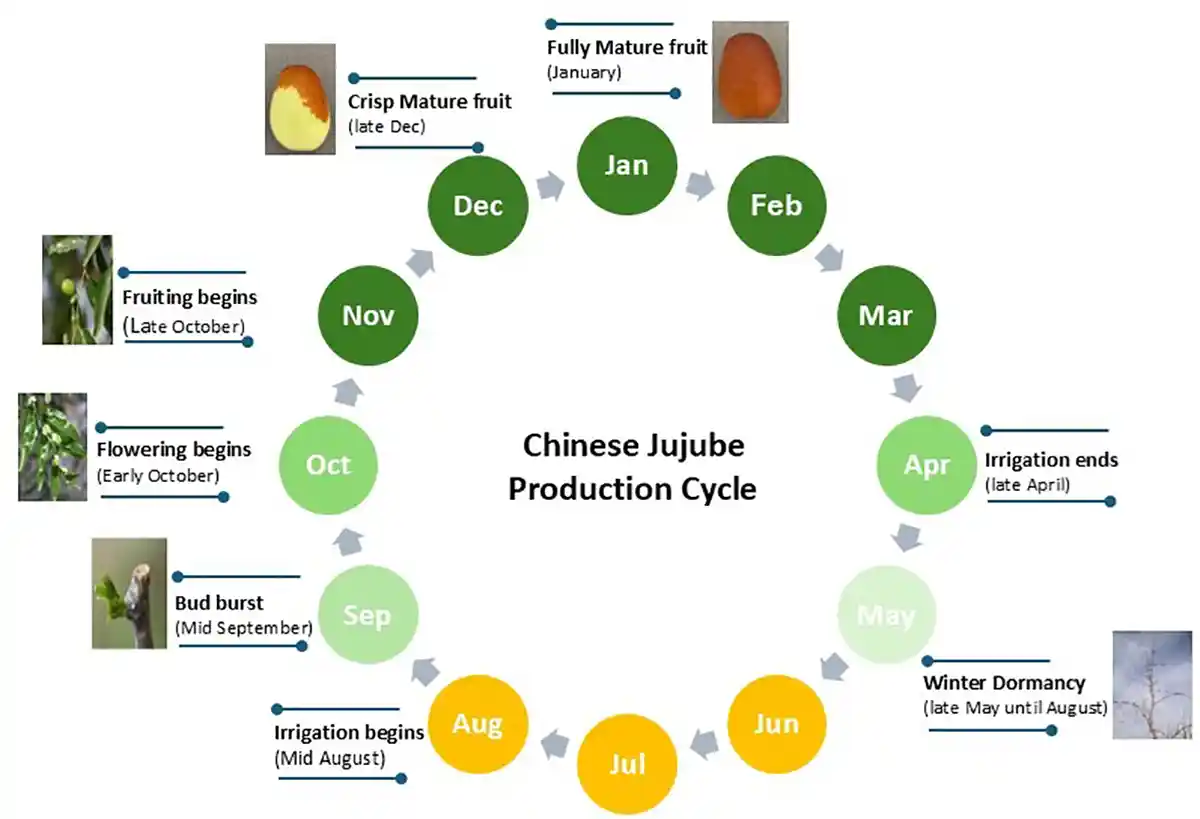
Figure 1. Chinese jujube production cycle in Alice Springs.
Chinese jujube varietal evaluation in Central Australia
As part of the Central Australian diversification project, Plant industries have trialled a range of commodities to reduce risk and support sustainable agricultural expansion in the region. In 2018, the Northern Territory Government established a Chinese jujube varietal evaluation trial at the Arid Zone Research Institute in Alice Springs, assessing 3 varieties: Li, Chico, and Lang. Production cycle for these 3 varieties is shown in figure 1.
While this trial continues to progress, an additional trial for evaluation of varieties Li and Shuimen has been established in the Western Davenport Region by a commercial enterprise, technically supported by the Northern Territory Government. Owing to the distinct climatic conditions of the Western Davenport region, fruit from this site is expected to reach harvest maturity well before the Alice Springs crop.
Key traits of jujube cultivars evaluated
Commercial jujube orchards are planted at 4-5m x 5-6m. The trees only require light pruning, and a mature tree can produce 30 to 40 kg fresh fruit per tree. Most of the fresh fruit harvest is usually hand-picked, which is the major cost associated with jujube production. Fresh jujube has very less post-harvest shelf life and cannot be stored for long period under ambient conditions.
| Traits | Chico | Lang | Li |
|---|---|---|---|
| Growth habit | Semi-dwarf with a compact, spreading canopy | Upright with medium vigor | Vigorous growth with an upright-spreading canopy |
| Pollination | Self-fertile | Self-fertile | Self-fertile |
| Fruit shape and size (shown in figure 3 and 4) | Large, round and slightly flattened, pumpkin shaped | Elongated medium-large and pear shaped | Oval shaped medium -large |
| Yield potential | Moderate | Low | High |
| Market use | Suitable for fresh consumption and drying | Predominantly used for drying | Suitable for fresh consumption and drying |
| Harvesting | Early ripening, harvested manually | Late ripening, harvested manually | Early ripening, harvested manually |
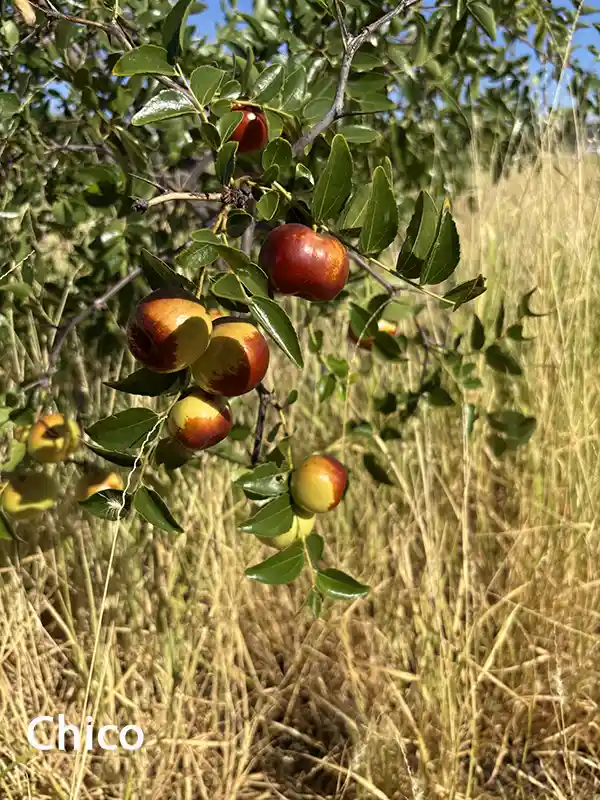
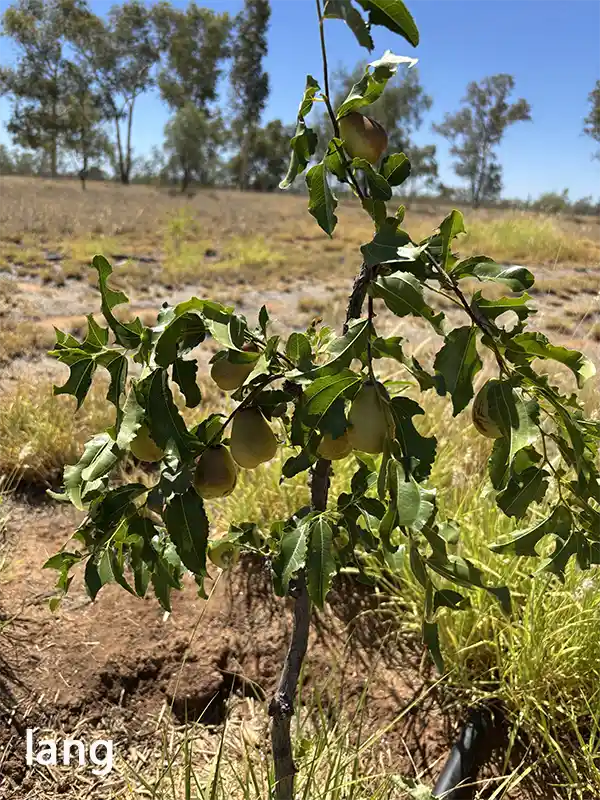
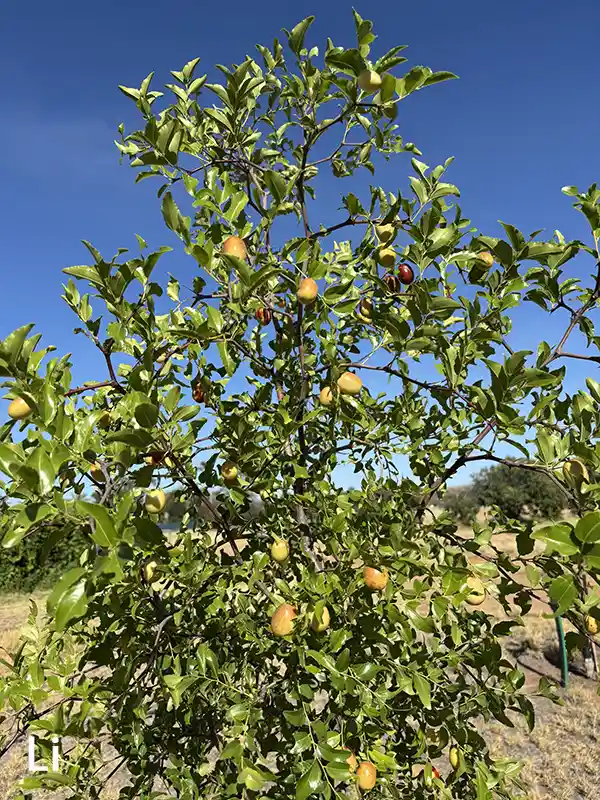
Figure 2. Fruit-bearing trees of Chico, Lang and Li jujube cultivars at the Alice Springs trial site in January 2026.
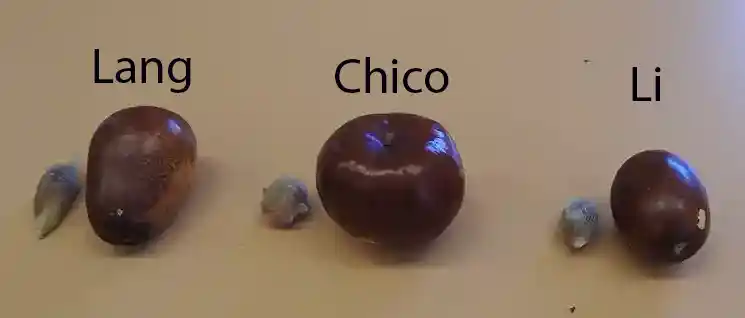
Figure 3. Full mature fruit of varieties Lang, Chico and Li harvested from Alice Springs trial site in 2026.
Pest, physiological disorders and diseases
- Thrips: Small sap sucking insects that damage flowers and reduced fruit quality (figure 4).
- Bird damage: Loss of fruit due to feeding and pecking by birds.
- Fruit splitting: Physiological disorder where fruit crack due to rapid moisture uptake, reducing fruit quality and market. In our conditions cracks mostly remain dry without developing any fungal infection (figure 4). Maintaining adequate soil moisture during growing season will reduce fruit splitting but growing resistant varieties is the best solution.
- Leaf spot disease (figure 4).
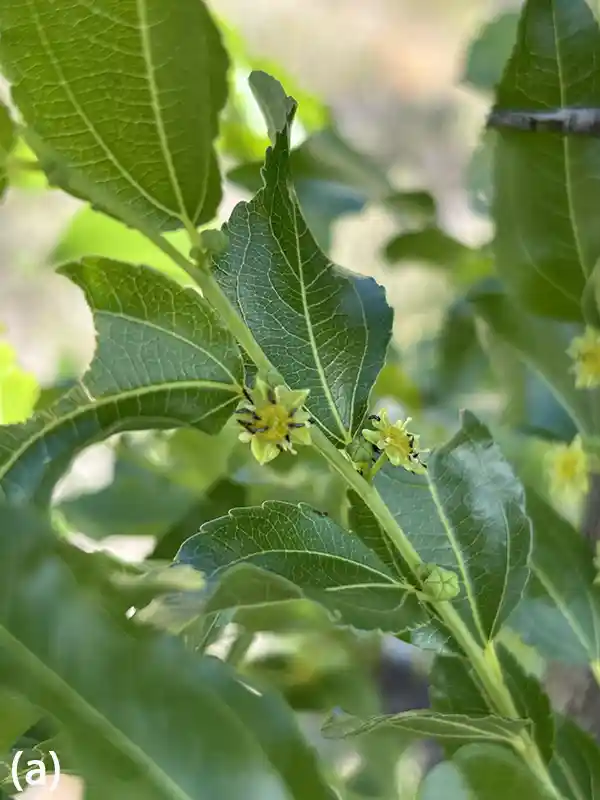
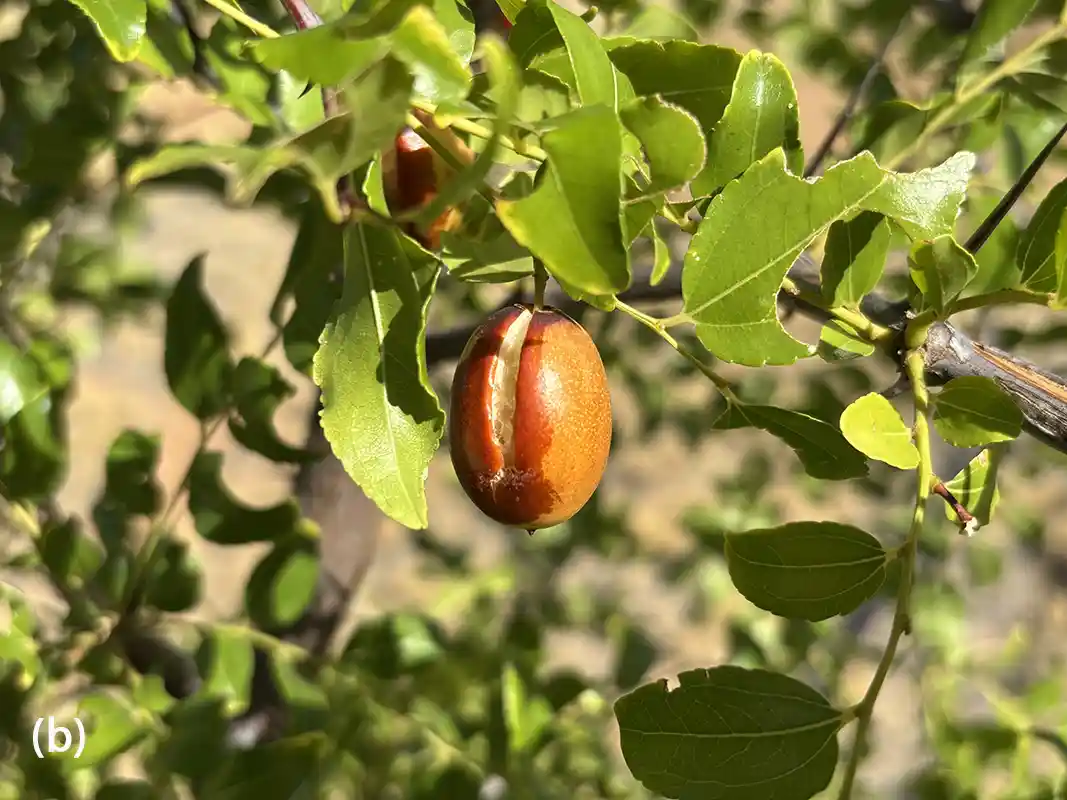
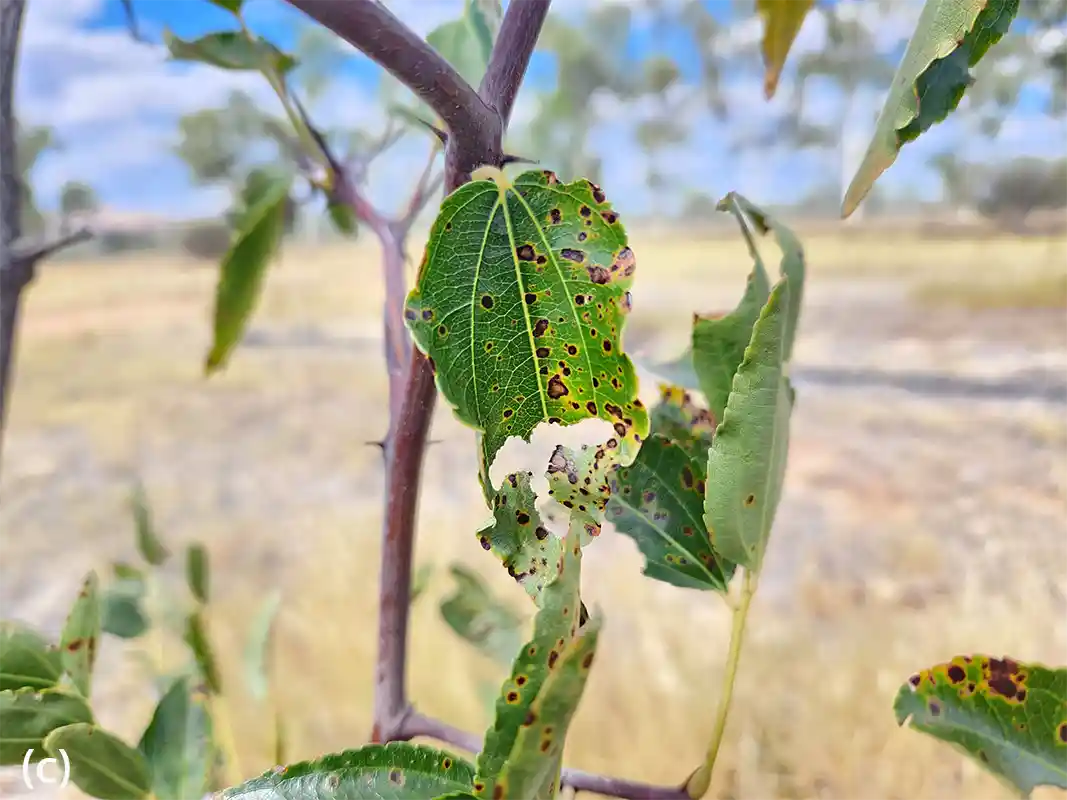
Figure 4. Issues observed in Chinese jujube (a) thrips attack, (b) fruit splitting, and (c) leaf spots during the growing season in Alice Springs.
Industry potential and challenges
Chinese jujube is an emerging horticultural crop with growing interest in Australia; in an estimation there are about 60 growers cultivating over 50,000 trees across all Australia and Central Australia is well positioned to support its development. The region’s hot, dry climate and low disease pressure allow jujube to produce fruit earlier in the season compared with production regions of Western Australia and South Australia, providing an opportunity to supply early‑season fruit to domestic markets. Jujube also offers strong potential as a farm diversification option for central Australian growers, particularly where salinity and limited water resources are increasing challenges under a changing climate.
NT DAF is continuing to expand its jujube research program, with additional data now being collected on agronomy, tree performance, fruit quality, and production practices specific to central Australia. With appropriate varietal selection, production systems, post-harvest fruit handling and market development, jujube has the potential to become a profitable niche horticultural industry for Central Australia, supporting regional diversification and climate‑resilient agriculture.
For more information, contact shah.nawaz@nt.gov.au Arid Zone Research Institute, Department of Agriculture and Fisheries.
Give feedback about this page.
Share this page:
URL copied!